Blog
Bulk Tire Supply Chain Explained for Global Buyers: Bulk Tire Sourcing for Global Buyers

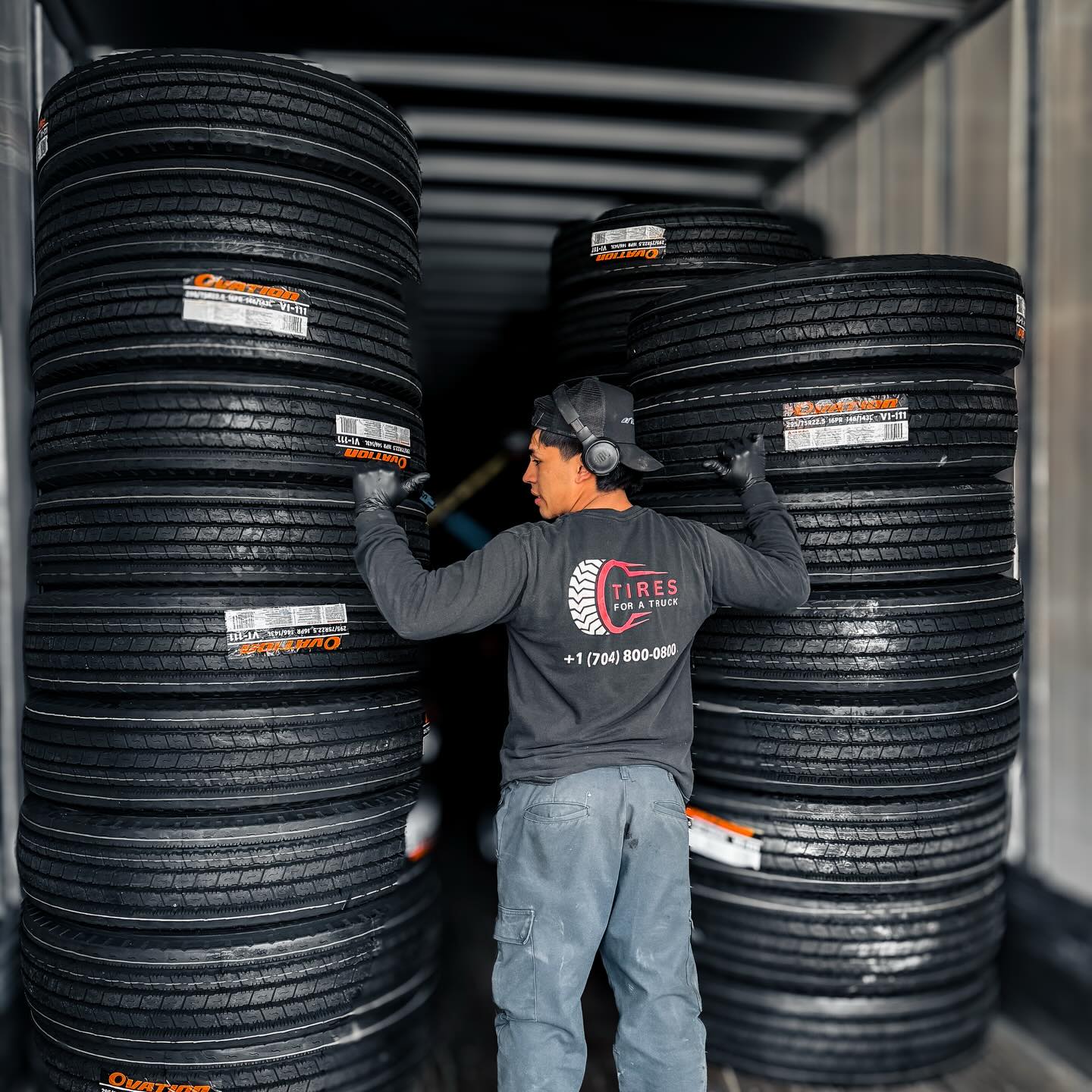
In today’s competitive global trade environment, bulk tire sourcing for global buyers has become one of the most important strategies for importers, distributors, and wholesale tire businesses aiming to secure factory-direct pricing and stable long-term supply. Understanding how the international tire ecosystem works is no longer optional—it is essential for businesses that want to scale profitably in the global tire market.
This guide explains how the global bulk tire supply chain operates, how tires move from manufacturing plants to international markets, and how buyers can leverage bulk tire sourcing for global buyers to reduce costs, increase margins, and build sustainable distribution networks. Whether you are a new importer or an established distributor, this article breaks down the complete structure of the tire import supply chain guide and how to navigate it effectively.
Tire Sourcing Global Buyers: Understanding the Global Tire Ecosystem
At the core of international trade lies the concept of bulk tire sourcing for global buyers, which connects manufacturers, exporters, logistics providers, and distributors into a unified system. This ecosystem ensures that tires produced in factories can efficiently reach dealers, fleets, and retail markets worldwide.
The modern global tire buyers guide emphasizes that sourcing is no longer just about finding the lowest price—it is about building long-term relationships with verified manufacturers, ensuring consistent quality, and optimizing logistics efficiency.
In practice, successful importers rely on structured systems such as international tire wholesale sourcing, where they directly connect with manufacturers or certified distributors to access large-volume inventory at factory pricing.
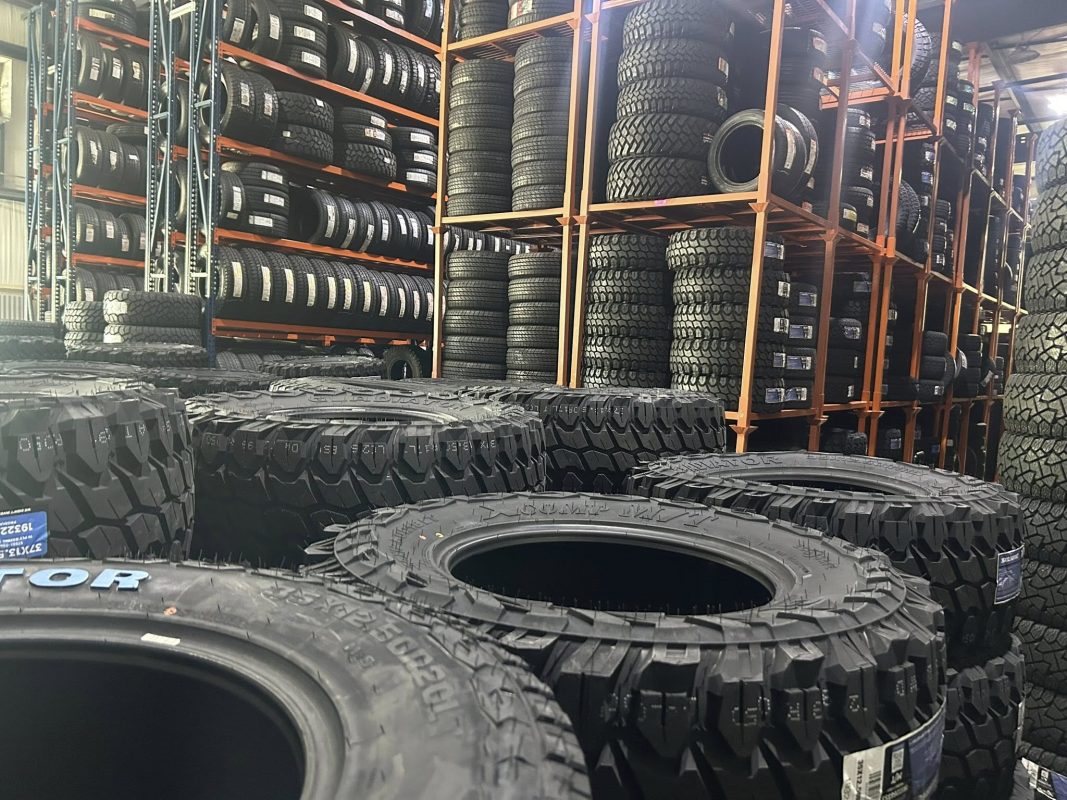
Bulk Tire Sourcing and the Tire Supply Chain Structure
To fully understand bulk tire sourcing for global buyers, it is important to examine the structure of the global supply chain. The tire industry typically follows a multi-layered system:
Manufacturing plants produce tires using advanced engineering processes. These tires are then distributed through regional hubs and international logistics partners. Finally, they reach wholesalers, fleet operators, and retail dealers.
This structured tire distribution network explained allows manufacturers to serve multiple regions efficiently while maintaining product consistency and regulatory compliance.
Importers involved in bulk tire sourcing for global buyers benefit from this structure by accessing large-scale inventory through established distribution channels instead of fragmented local suppliers.
Bulk Tire Sourcing for Global Buyers and Overseas Purchasing Strategies
One of the most critical aspects of global trade is the overseas tire purchasing process. Buyers must evaluate manufacturers, verify certifications, and negotiate pricing based on container volumes and shipping terms.
In many cases, businesses sourcing tires internationally rely on global tire sourcing companies that help streamline communication, documentation, and logistics coordination between factories and importers.
A well-structured sourcing strategy ensures that buyers involved in bulk tire sourcing for global buyers can reduce procurement risks while maintaining consistent supply flow.
Tire Import Supply Chain Guide for Global Buyers
A complete tire import supply chain guide involves several stages: sourcing, production confirmation, quality inspection, shipping, customs clearance, and final distribution.
Buyers engaged in bulk tire sourcing for global buyers must understand each stage to avoid delays and unnecessary costs. For example, selecting the right shipping method—full container load (FCL) or less-than-container load (LCL)—can significantly impact profitability.
Additionally, understanding import duties, taxes, and compliance regulations ensures smoother international transactions.
Bulk Tire Sourcing for Global Buyers and Factory Direct Access
One of the most effective strategies in global procurement is accessing direct tire factory sourcing. This eliminates intermediaries and allows buyers to secure direct factory tire pricing structure, which significantly improves margins.
Many importers prefer working with manufacturers that offer OEM and private label programs, especially for categories like passenger, SUV, and performance tires.
For example, businesses looking for SUV all season tires bulk supplier options often benefit from direct factory relationships that allow customization, branding, and bulk pricing advantages.
Performance and Commercial Tire Distribution Markets
The global tire industry is segmented into multiple markets, including performance, commercial, and off-road categories. Each segment requires specialized sourcing strategies.
Distributors working in performance tires distributor USA markets often focus on high-speed, high-grip tires designed for sports cars and premium vehicles. Meanwhile, those involved in sport tires wholesale supplier operations prioritize seasonal demand and aftermarket modifications.
For motorsport applications, track performance tires bulk order sourcing requires direct manufacturer engagement due to specialized rubber compounds and production requirements.
Bulk Tire Sourcing for Global Buyers and Manufacturer Verification
A critical step in international procurement is ensuring supplier authenticity. Buyers must rely on a tire supplier verification guide to confirm factory legitimacy, export history, and quality standards.
Working only with verified tire manufacturers overseas reduces the risk of counterfeit products, shipment delays, or regulatory issues.
Importers often use a certified tire exporters directory to identify approved manufacturers who meet international compliance standards.
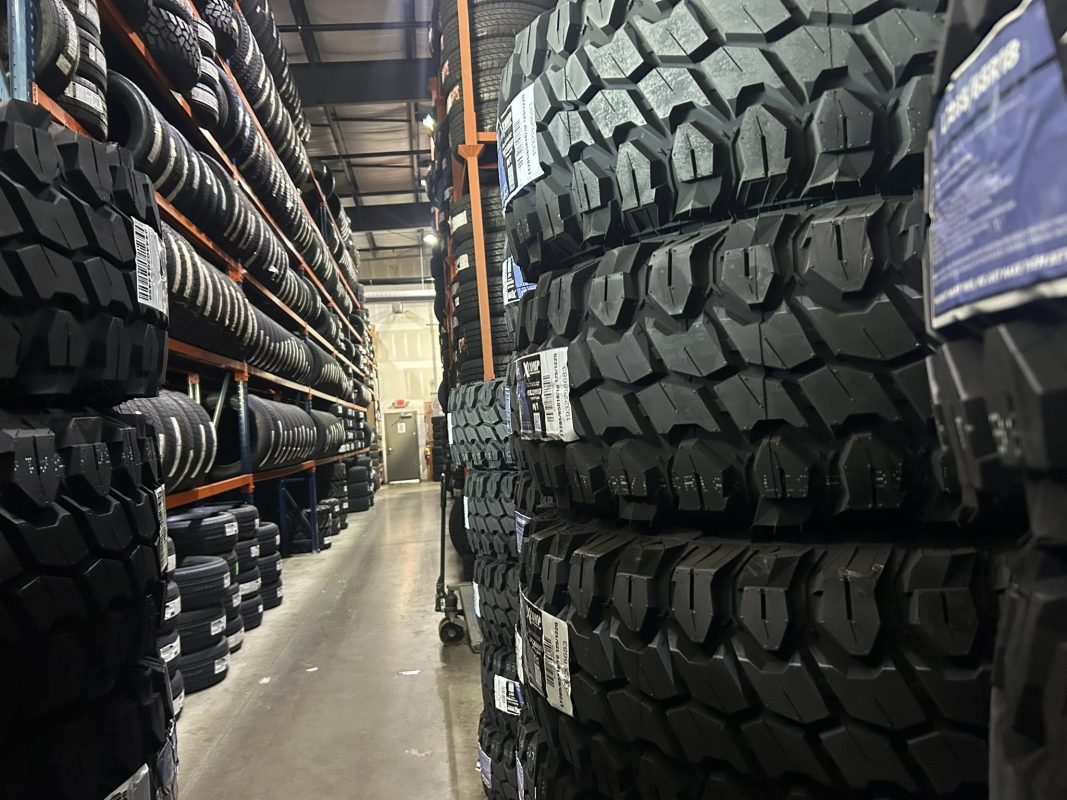
Tire Factory Access and Distribution Networks
Accessing tire factory wholesale access allows buyers to negotiate directly with manufacturers and eliminate unnecessary distribution layers. This improves cost efficiency and supply chain transparency.
Understanding tire distribution network explained is essential for scaling operations, especially for businesses managing multiple markets or retail chains.
Many successful importers also maintain a tire manufacturers contact list to ensure direct communication with factories, enabling faster negotiation and better pricing control.
Bulk Tire Sourcing for Global Buyers and Regional Trade Expansion
As businesses expand globally, they increasingly rely on structured global tire sourcing companies to manage procurement across multiple regions.
This model supports scalable growth and allows importers to enter new markets without establishing physical manufacturing or warehousing facilities.
For instance, companies entering North American markets often begin with structured partnerships before expanding into full distribution networks.
These internal pages help buyers explore available inventory and wholesale programs.
Conclusion: The Future of Bulk Tire Sourcing for Global Buyers
The global tire industry continues to evolve rapidly, and bulk tire sourcing for global buyers remains at the center of international trade strategy. Importers who understand the global bulk tire supply chain, leverage factory-direct access, and build strong manufacturer relationships are positioned for long-term success.
From international tire wholesale sourcing to overseas tire purchasing process optimization, every stage of the supply chain offers opportunities for cost reduction and business expansion.
By mastering the tire import supply chain guide and working with verified global partners, businesses can secure stable supply, improve margins, and compete effectively in the global marketplace.
For importers and distributors looking to scale operations, the key lies in strategic sourcing, verified suppliers, and strong logistics planning—ensuring that every shipment contributes to long-term growth and profitability.